House Washing vs. Soft Washing in Mt. Pleasant, SC: What’s Safest for Siding?
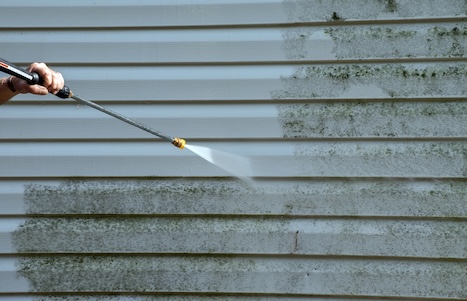
Coastal weather in Mt. Pleasant, SC brings humidity, salt air, and heavy spring pollen that stick to siding and dull curb appeal fast. If you are comparing methods, the real question is which approach protects your exterior while removing grime. Below is a clear local guide that explains the difference between house washing and soft washing, and when each is appropriate for vinyl, Hardie plank, painted wood, and stucco. If you want the safest, pro-grade clean, explore our house washing service and see how a careful soft wash restores color without risking damage.
What’s the Difference Between House Washing and Soft Washing?
House washing is a general term for cleaning a home’s exterior. Many homeowners think it means blasting away dirt with high pressure, but that is not ideal for most siding. Soft washing uses low pressure plus targeted cleaning solutions to lift organic growth like mildew and algae, then a gentle rinse clears residues. The result is a clean surface without the risks that come from high-force nozzles close to your siding.
Soft washing is the default for vinyl, Hardie plank, painted wood, and stucco in the Lowcountry because these materials can be marked, etched, or water-intruded by aggressive spray. High pressure still has its place on harder surfaces like concrete, but your walls are different.
Why Soft Washing Is Safest for Mt. Pleasant Siding
Our coastal climate works against exteriors. Warm, damp months feed algae. Sea breeze leaves a fine salt film. Live oak pollen peaks in spring and bakes onto panels. Soft washing targets these real-world problems by breaking down organic build-up and film at the surface, then rinsing at low pressure to avoid forcing water behind laps or into weep holes.
Neighborhoods from Old Village to Park West, Dunes West, and Carolina Park share similar issues: shaded sides go green first, windward sides feel salt spray, and paint or caulk lines on trim can be delicate. A controlled soft wash cleans all of that without stressing seams or finishes.
How Methods Change by Siding Type
Vinyl Siding Cleaning
Vinyl looks tough, but it can warp, streak, or trap water if hit with high pressure. Soft washing lifts the algae film and pollen haze that build up along porch walls, near downspouts, and on shaded sides by the marsh. It also helps with light oxidation streaking, though deep oxidation is a surface-aging issue, not just dirt.
Hardie Plank Wash Method
Fiber cement is strong yet moisture sensitive at edges and joints. High pressure can force water behind laps and cause paint or caulk failure. A soft wash applies controlled chemistry to break down organic staining, then rinses gently so panels, seams, and trim stay sealed. This protects appearance without risking swelling or edge damage.
Painted Wood and Cedar
Wood is porous and marks easily. The goal is to clear mildew and dirt without raising the grain or leaving wand marks. Soft washing removes the growth that actually causes the discoloration while keeping coatings intact. Avoid aggressive tips and close-distance spray on wood to prevent scarring and water intrusion.
Stucco and Brick Veneer
Stucco textures trap dust and algae. Soft washing reaches into the crevices so you do not have to blast the surface, which can chip or streak the finish. Brick veneer often has softer mortar than you expect; low-pressure rinsing preserves joints while removing surface film.
When Traditional Pressure Makes Sense
High pressure still shines on durable flatwork such as driveways and sidewalks. Concrete benefits from a stronger rinse after pretreatment because it is dense and can handle it. But that is very different from siding. If you plan a curb-appeal refresh, consider pairing your wall cleaning with a pro concrete service for a full property lift, or learn more about complementary options like roof soft washing to remove dark streaks on shingles.
Local Factors That Affect Your Cleaning Plan
- Salt and wind: Homes closer to the harbor or Intracoastal get a fine salty film that attracts moisture and dirt.
- Shade and trees: Sides facing live oaks or dense landscaping stay damp longer and grow algae faster.
- Storm season: Summer downpours splash soil and mulch onto lower courses, creating tiger-striping on light siding.
- Pollen: Spring pollen bonds with dust. A soft wash soon after the drop keeps it from baking on.
If your home sits near marsh edges in Rivertowne or backs to trees in Brickyard Plantation, you may notice green film and spider webs building sooner than neighbors in sunnier spots. A gentle, recurring soft wash keeps surfaces from reaching that stained, blotchy stage where paint and caulk start to look tired.
What Homeowners Risk With Too Much Pressure
Water driven behind siding can lead to trapped moisture, streaks, or interior spotting. On vinyl, harsh spray can bend panels or kick loose trim. On Hardie plank, joints and cut ends are the weak points. On wood, you can raise the grain or leave wand scars that show even after drying. And on stucco, etching the finish is a real possibility. Soft washing avoids these problems by letting the cleaning solution do the heavy lifting.
How a Professional Soft Wash Works
The right process starts with inspection. A trained tech confirms siding type, notes shade patterns and runoff paths, and identifies delicate trim, screens, or outlets. Then the team applies a precise solution for algae and mildew, waits for dwell time, and follows with a controlled, low-pressure rinse. Landscaping gets protected and rinsed as needed so shrubs and grass stay healthy. Pleasant Pressure, LLC uses pet-friendly, biodegradable cleaners and modern equipment so your home looks fresh without harsh overspray.
For a deeper look at what a careful approach can do for your siding and trim, see our detailed guide to professional house washing and how the soft wash method protects finishes across Mt. Pleasant neighborhoods.
House Washing vs. Soft Washing: Quick Matchups
- Vinyl: soft wash for algae, pollen haze, and light oxidation streaks
- Hardie plank: soft wash to protect joints, paint, and caulk lines
- Painted wood: soft wash to clear growth without raising grain
- Stucco: soft wash to clean texture without chipping the finish
- Concrete: pressure wash after pretreat for long-lasting results
If you are searching for house washing in Mt. Pleasant, SC, start with a soft wash plan for the walls and save higher pressure for hardscapes. That balance keeps your curb appeal high and your exterior materials sound.
How Often Should Siding Be Washed Here?
Frequency varies by shade and exposure, but most Mt. Pleasant homes look their best with an annual soft wash for siding. Homes under live oaks or near marshy areas might benefit from shorter intervals. The aim is preventive care so stains never take hold and protective coatings last as long as they should.
Why Homeowners Choose Pleasant Pressure, LLC
Local homes deserve local care. Our team focuses on safety, consistent results, and friendly service that respects your schedule. We specialize in soft wash siding care for vinyl, Hardie plank, painted wood, and stucco, and we back it with a trained crew, pro-grade tools, and a simple, helpful experience from estimate to rinse. If you are ready to protect your exterior, call us at 843-575-8606 and we will tailor a plan to your home and neighborhood.
Ready for a Safer Clean and Stronger Curb Appeal?
Choose the method that fits your materials and our Lowcountry climate. A soft wash clears organic growth, preserves finishes, and keeps your home looking new longer. When it is time to book, you can start with our house washing service or explore related exterior care on our residential pressure washing page.
Bottom line: the safest path for most siding in Mt. Pleasant is a professional soft wash done by a trusted local team that respects your home and your landscaping.
Appreciate Our Personable Yet Professional Approach For Pressure Washing In Mount Pleasant!